
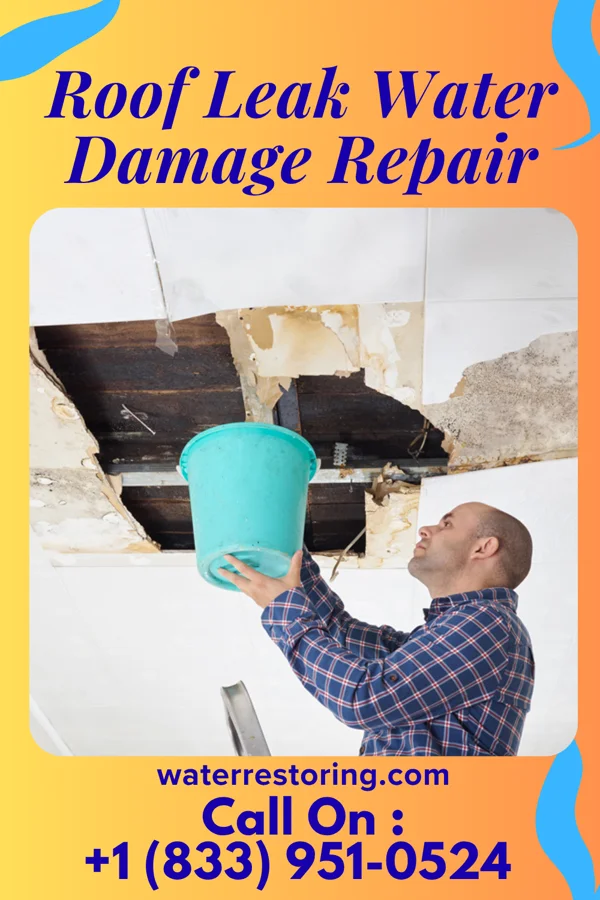
Active Roof Leak Containment in Rothville
Most water damage emergencies in Rothville start with Rothville, Missouri experiences frequent thunderstorms and heavy rainfall, especially during the late spring and early summer months. These weather patterns can lead to sudden roof leaks and water damage, particularly in older homes with asphalt shingle roofs. The area's occasional high winds can also cause roof damage that may not be immediately visible.. A close second is In the fall, Rothville is prone to strong winds and sudden drops in temperature, which can cause roofing materials to become brittle and more susceptible to leaks. Winter snowfall, while less common, can add significant weight to rooftops, increasing the risk of structural damage and water infiltration.. From the second water touches the property, every minute changes what gets saved and what gets ripped out.
Rothville's climate, characterized by hot summers and cold winters, can cause roofing materials to expand and contract, leading to cracks and gaps over time. The combination of humidity and occasional flooding can also accelerate the deterioration of roofing systems.
Rothville's climate, characterized by hot summers and cold winters, can cause roofing materials to expand and contract, leading to cracks and gaps over time. The combination of humidity and occasional flooding can also accelerate the deterioration of roofing systems. The dominant local driver is Rothville, Missouri experiences frequent thunderstorms and heavy rainfall, especially during the late spring and early summer months. These weather patterns can lead to sudden roof leaks and water damage, particularly in older homes with asphalt shingle roofs. The area's occasional high winds can also cause roof damage that may not be immediately visible., with In the fall, Rothville is prone to strong winds and sudden drops in temperature, which can cause roofing materials to become brittle and more susceptible to leaks. Winter snowfall, while less common, can add significant weight to rooftops, increasing the risk of structural damage and water infiltration. showing up as the next most common cause. Damage builds in stages. Spread. Absorption. Microbial growth. Structural compromise. Every stage you pass through adds to the final bill.